When radiation from radioactive materials collides with neutral atoms or molecules these may become charged (ionised). When radiation ionises molecules in living cells it can cause damage, including cancer. The larger the dose of radiation the greater the risk of cancer. Higher doses of ionising radiation can kill cells; they are used to kill cancer cells and harmful microorganisms. As radiation passes through a material it can be absorbed. The greater the thickness of a material the greater the absorption. The absorption of radiation can be used to monitor/control the thickness of materials.
When sources of radiation are outside the body:
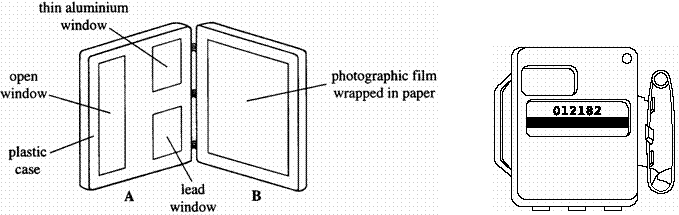
Workers who are at risk from radiation often wear a radiation badge to monitor the amount of radiation they have been exposed to over a period of time. The badge is a small packet containing photographic film. The more radiation a worker has been exposed to, the darker the film is when it has been developed.
When sources of radiation are inside the body: